

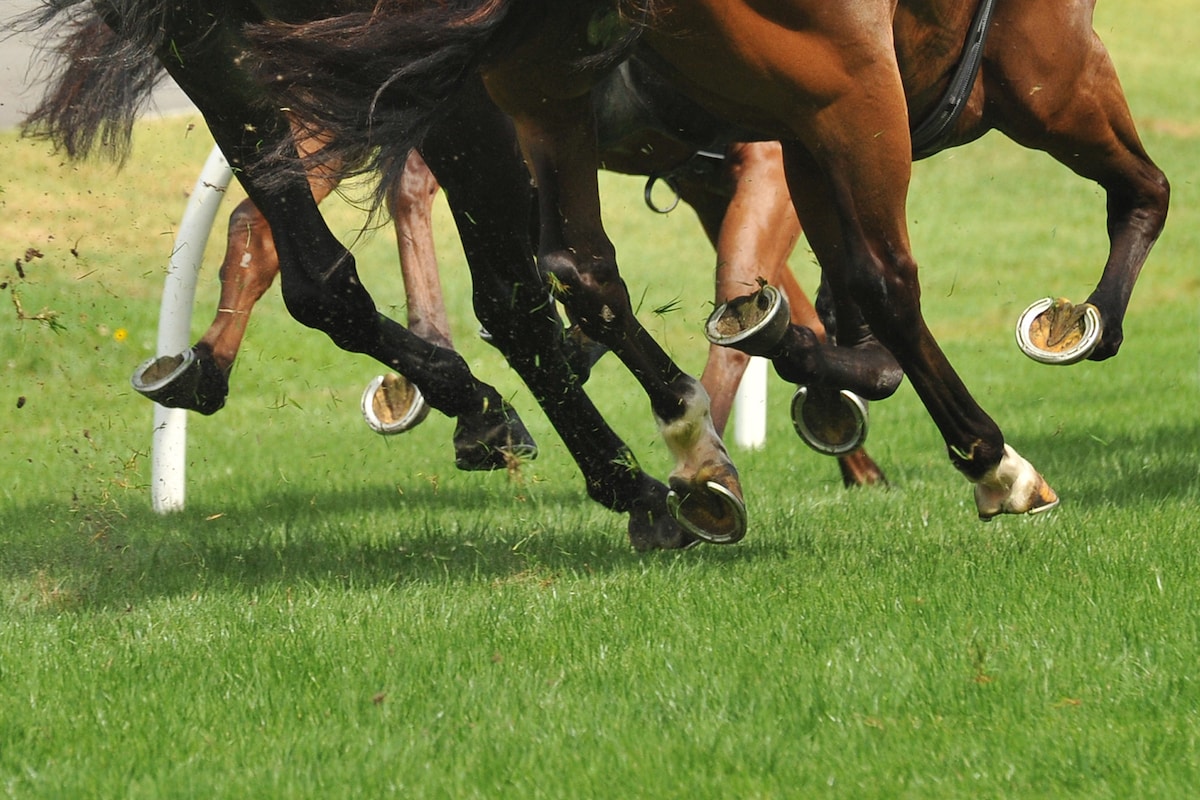
Reminder: HISA Shoe & Traction Device Rules Remain in Effect
The Maryland Thoroughbred Horsemen’s Association would like to remind all horsemen that the Horseracing Integrity and Safety Authority (HISA) horseshoe and traction device rules remain in full effect and are being enforced.
These regulations apply during both training and racing and are an important component of HISA’s national safety standards.
Understanding the Rule
Under HISA Rule 2010, a “traction device” is defined as any device that extends beyond the ground surface of the horseshoe. This includes, but is not limited to, inserts, wear plates, rims, toe grabs, bends, jar calks, stickers, ice nails, frost nails, and mud nails.
Rule 2276 outlines surface-specific restrictions:
Dirt Surfaces
Forelimbs: Traction devices are prohibited, except full rims 2 millimeters or less in height.
Hindlimbs: Traction devices are prohibited, except full rims measuring 4 millimeters or less, or toe grabs measuring 4 millimeters or less.
Synthetic Surfaces
Traction devices are prohibited on both forelimbs and hindlimbs, except full rims measuring 2 millimeters or less.
Turf Surfaces
Traction devices are prohibited on both forelimbs and hindlimbs.
These standards became effective July 8, 2024.
Why This Matters
The primary difference between a full rim 2 mm race plate and a toe grab (specifically 2-4 mm, as often compared) lies in how they provide traction and the resulting stress placed on the horse’s limbs. A full rim offers traction while allowing a flatter foot landing, while a toe grab acts like a cleat, raising the toe and increasing the risk of injury. A full rim 2mm is the entire circumference of the shoe.
Compliance is the responsibility of the trainer and connections. Horses that compete with prohibited shoes or traction devices run the risk of being declared ineligible by the Stewards.
Such a ruling can have significant consequences, including:
• Voiding of claims
• Loss of purse money
• Additional regulatory action
The MTHA strongly urges all trainers to review the HISA rules carefully and work closely with their farriers to ensure all horses are properly shod prior to entry.
HISA previously amended portions of the hind shoe regulations following discussions with horsemen. Those interested in further background on the amendments can review the BloodHorse article summarizing the changes:
Maryland horsemen are encouraged to take these requirements seriously. Avoidable compliance issues can have meaningful financial and regulatory consequences. If there are questions regarding shoe specifications, trainers should consult the Racing Office or appropriate regulatory officials before entering to race.
The MTHA remains committed to ensuring that our membership is fully informed and positioned for success under the national HISA framework.
Related Article


Pimlico Redevelopment Construction Update – October 2026

Slate Of 26 Candidates Approved For MTHA Election

Wendaur Joins TMJC as Veterinarian
more From MTHA
MTHA Invites Horsemen To Public Discussion of Claiming Auction Proposal Oct. 22
The MTHA will hold a public meeting Thursday, October 22, 2026, at 11 a.m. Eastern Time via Zoom to discuss a proposed digital auction process for horses receiving two or more claims in a claiming race.

PROPOSED RACING RULES: What Maryland Thoroughbred Horsemen Should Know
An October 7 Daily Record article about proposed Maryland Racing Commission regulations has generated questions about increased penalties, medication enforcement and the state’s investment in Thoroughbred racing.