

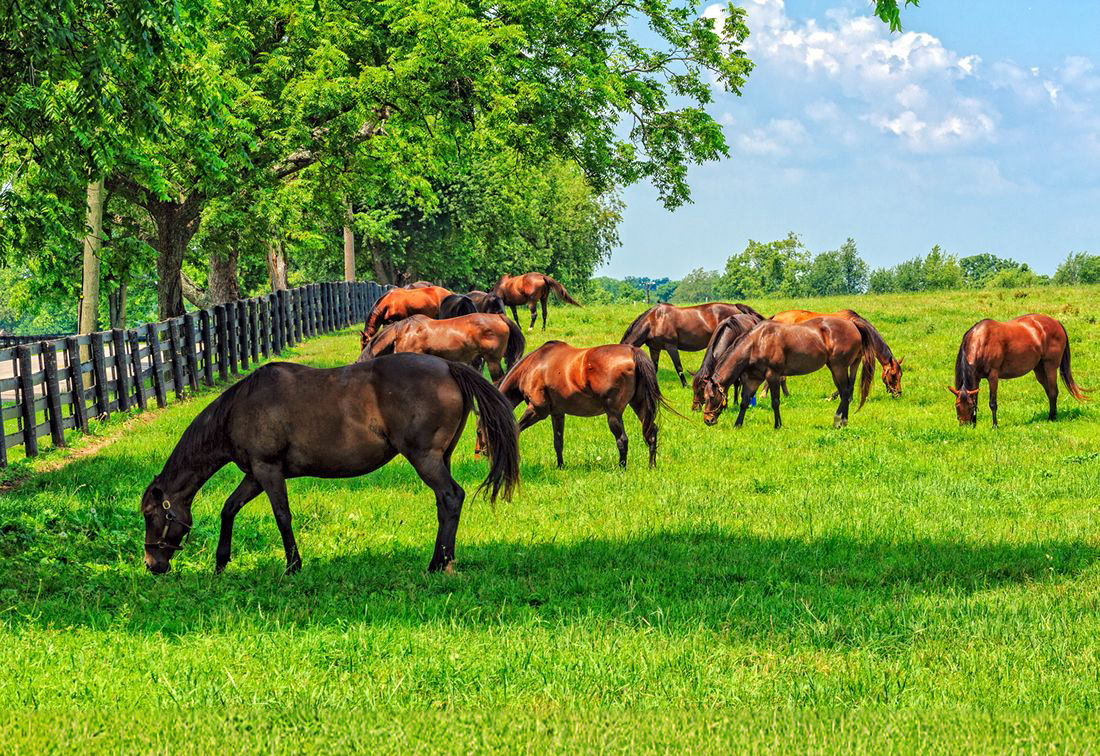
Aftercare Organizations Struggling To Meet Demand
Beyond The Wire, Maryland’s Thoroughbred aftercare program, is fast approaching 800 horses placed since its launch in the spring of 2017.
The program in recent years has expanded the number of Thoroughbred Aftercare Association-accredited farms that have accepted Maryland- based retirees. But as is the case throughout the industry, some facilities currently do not have the capacity to accept horses.
Beyond The Wire placed 150 horses in 2023, said Jessica Hammond, who administrates the program for the Maryland Thoroughbred Horsemen’s Association. Hammond contacted TAA Operations Consultant Stacie Clark Rogers, who told her placing horses in retirement programs is currently difficult given volume.
Beyond The Wire continues to look for accredited facilities to accept horses.
“I will be meeting with our board of directors (in May or June) so we can brainstorm ways to address the problem,” Hammond said. “These facilities rely on grants, donations and adoption fees to maintain operations, and most of them are not making money. Some of these people that operate these (farms) aren’t even taking a salary.”
Bonnie McRae, who operates Beyond The Wire partner After The Races, which is located near the Fair Hill Training Center, said length-of-stay is an issue when it comes to transitioning horses to new owners.
“After the Races works on a per-horse budget and we not only track and understand our average cost per horse per month, but we calculate and constantly analyze the length of stay of horses as well, a vital statistic in aftercare,” McRae said. “In the past two years, we have seen more and more horses in need of rehabilitation, or those who retire with limiting conditions that will affect their marketability for that next career. That has nearly doubled our length of stay, which means it also doubles—or more—the cost of keeping that horse until it is eventually adopted.
“Creating strategic exit plans for your racehorses can reduce the number of rehabilitative cases entering aftercare, making room for more horses. While that might seem obvious, it can also ultimately save a horse’s connections money by reducing the length of stay in race training when it has not been ‘earning its keep,’ so to speak, and also reduce the cost of keeping that horse at the track until a spot in (at an aftercare facility) opens up.
“We would love to see owners and trainers establish plans for when to retire horses that not only benefit their bottom line, but the horse as well.”
Related Article


Pimlico Redevelopment Construction Update – October 2026

Slate Of 26 Candidates Approved For MTHA Election

Wendaur Joins TMJC as Veterinarian
more From MTHA
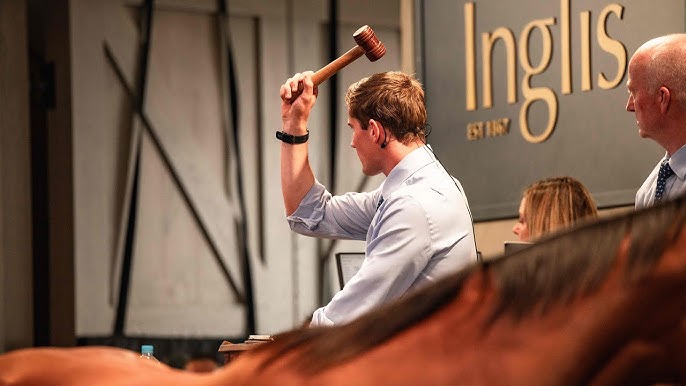
MTHA Invites Horsemen To Public Discussion of Claiming Auction Proposal Oct. 22
The MTHA will hold a public meeting Thursday, October 22, 2026, at 11 a.m. Eastern Time via Zoom to discuss a proposed digital auction process for horses receiving two or more claims in a claiming race.

PROPOSED RACING RULES: What Maryland Thoroughbred Horsemen Should Know
An October 7 Daily Record article about proposed Maryland Racing Commission regulations has generated questions about increased penalties, medication enforcement and the state’s investment in Thoroughbred racing.